
Italian Travertine Tiles
STOOANCE supplies beige travertine tiles for floor and wall cladding projects. The listed product has an 18 mm thickness and a honed, matte finish, with tile dimensions customized to project drawings. Natural color, veining, pores, and fissures vary, so the actual material or batch should be reviewed and approved before production.
For project orders, STOOANCE can coordinate remote material selection, drawing-based fabrication, piece numbering, and inspection records. Send your dimensions, quantity, application, and destination so the team can confirm the available batch, fabrication details, and quotation.
- Beige travertine with a honed, matte finish
- Listed thickness: 18 mm; project-customized dimensions
- Specified for floor and wall cladding
- Remote selection and batch approval supported
- Inspection photos, labels, and packing records available according to the order
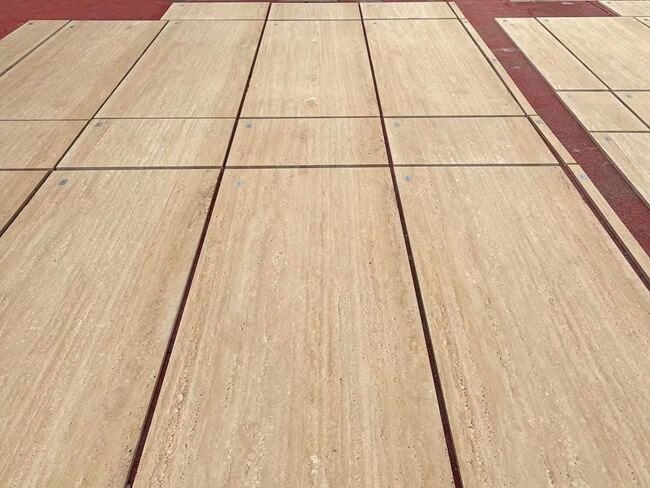
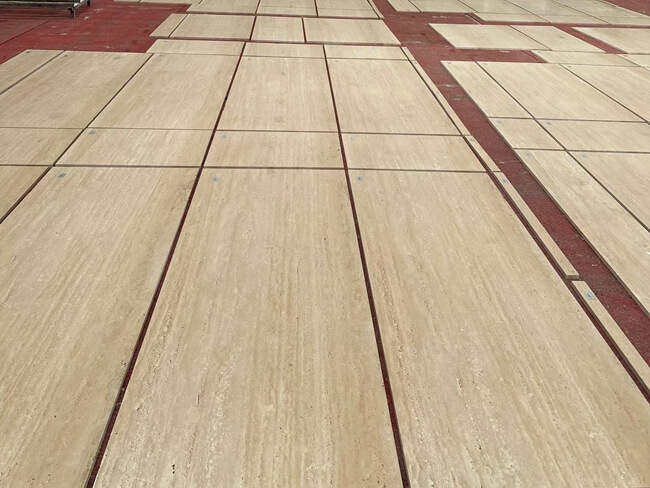
Beige Travertine and Natural Variation
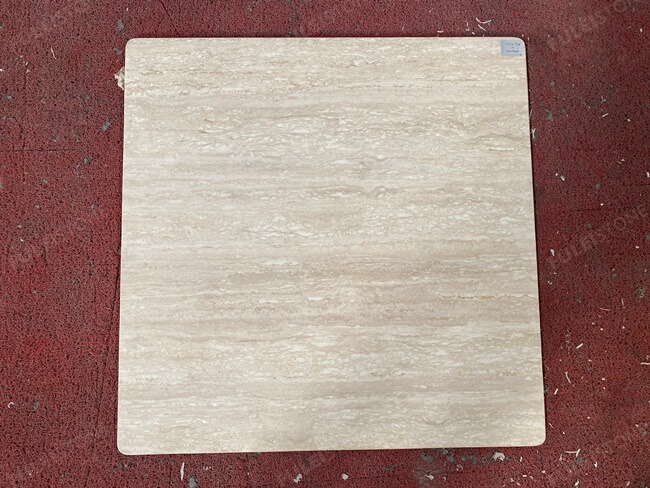
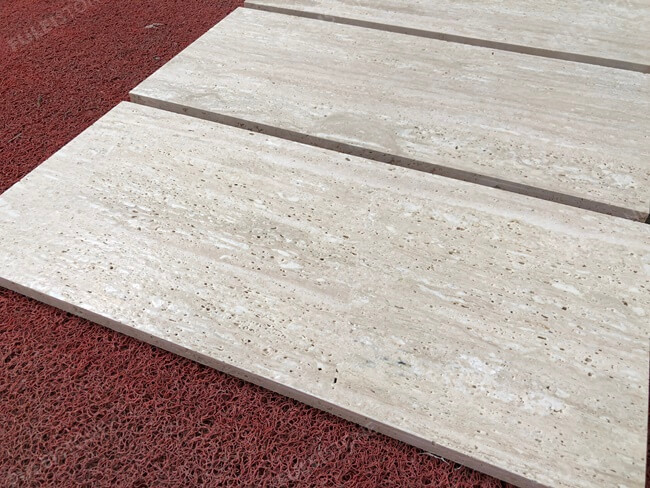
STOOANCE Italian Travertine Tiles are listed in beige. Travertine’s natural pores, colour shifts and linear markings can give each tile a distinct appearance. The balance of lighter and deeper beige tones should be judged from the actual material selected for the order, since a small sample may not show the full range across a larger area.
Natural fissures and any resin treatment should also be reviewed during material approval. These details can affect how a tile looks at close range and under the project’s lighting. If a consistent visual rhythm matters, ask to review tiles together and agree on an acceptable colour and marking range before production.
The product name alone does not verify the quarry or geographic origin of a particular batch. For a project that requires documented Italian origin, ask STOOANCE to confirm the selected material and its supporting origin information before placing the order.
Request a Quote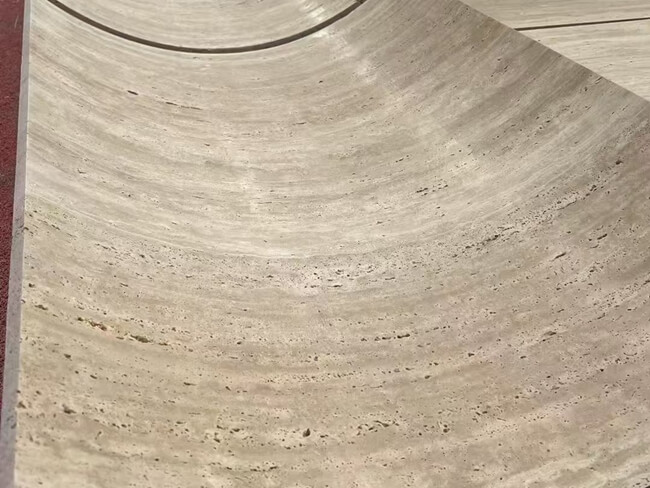
Listed Specifications and Project Tile Sizes
STOOANCE lists Italian Travertine Tiles with the specifications below. Use them as a starting point for an inquiry; the listing does not establish a fixed tile length and width or confirm that a particular batch is available.
- Material: natural travertine
- Listed color: beige
- Listed thickness: 18 mm
- Listed finish: honed / matte
- Size: customized to project requirements
For a size review, provide the required length and width for each tile format, the quantity of each format, and the project drawings or dimension schedule. STOOANCE can then confirm which sizes are feasible in the selected material and agree the final dimensions and tolerances before production.
“Italian Travertine Tiles” is the product name; it does not, by itself, verify quarry origin. If documented provenance is required, request confirmation for the proposed material. The final quotation should reflect the approved material, sizes, thickness, finish, and current production plan.
Request a Quote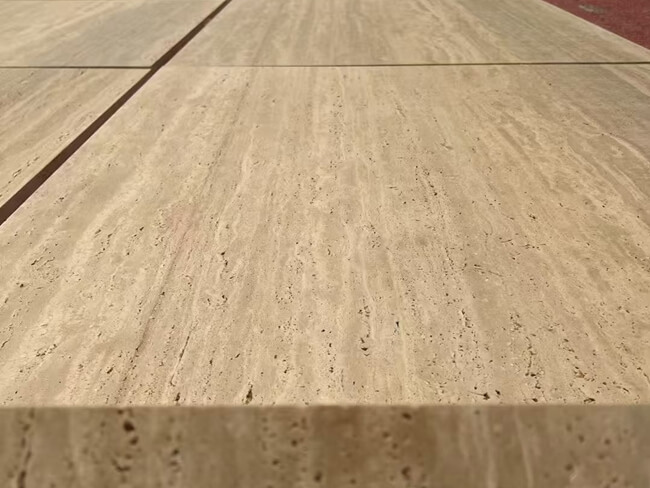
Planning Travertine Floors and Walls
Italian Travertine Tiles are listed for floors and wall cladding. Start by identifying each area’s traffic, exposure to water, cleaning routine, and desired appearance. For floors, the project designer or local installer should assess the substrate, expected loads, and slip requirements for the intended space. A honed, matte finish describes the appearance; it does not establish a slip rating for a particular installation.
For walls, confirm the supporting structure and fixing method before finalizing the tile layout. Openings, corners, transitions, and adjoining materials can affect where joints and cut pieces fall. In wet areas, the local design team should specify the waterproofing system and check whether the selected travertine, pore treatment, and maintenance plan suit the application.
Natural pores, fissures, color shifts, and veining can remain visible across a finished surface. Review the actual batch in the context of the room’s lighting and viewing distance, then agree on the acceptable visual range before production. Send STOOANCE the floor plan or wall elevations, application details, and any project performance requirements so material suitability and fabrication can be confirmed.
Request a Quote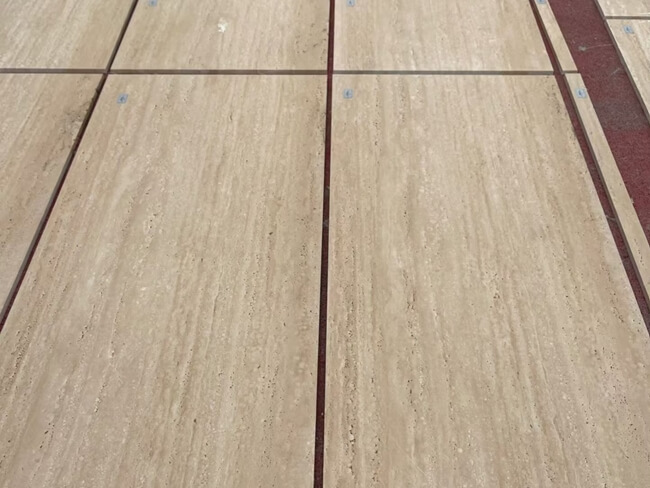
Drawing-Based Cutting and Layout Coordination
STOOANCE can fabricate Italian Travertine Tiles from approved project drawings. Before cutting, the team reviews the tile schedule alongside the floor or wall layout so piece dimensions, visible edges, and junctions correspond to the intended design.
- Provide dimensioned plans and elevations showing the tile grid, joint positions, and setting-out points.
- Mark openings, corners, thresholds, and changes in plane that need shaped pieces or coordinated cuts.
- Identify any preferred vein direction or visual flow across adjoining areas.
- Specify edge details and the locations of exposed or concealed cuts.
Where drawings leave a detail open, STOOANCE can clarify it with the project team before fabrication. Final dimensions, cutting allowances, and tolerances should be agreed against the selected material, approved drawings, and the local installer's setting-out method. Overseas installation is normally handled by qualified local contractors.
Request a Quote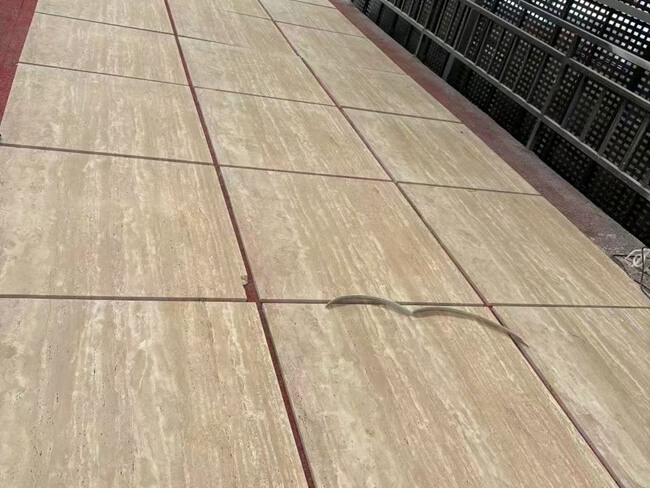
Batch Approval, Numbering and Packing
Before production, approve the actual travertine sample or selected batch, including its beige color range, veining, pores, natural fissures and any resin treatment. A small sample may not represent every tile in a project order, so STOOANCE can support remote video selection and batch reservation. Confirm current availability and record the accepted range before cutting begins.
For coordinated areas, STOOANCE can dry lay cut pieces and check their sequence against the approved drawings. Piece numbers and labels can identify the room, elevation or installation order, helping the receiving team match tiles to the layout. Agree on the numbering plan and the inspection records required for the order before production.
Before shipment, STOOANCE checks quantities, dimensions, thickness, finish, edges, numbering and packing against the order. Inspection photos or video and packing records are available according to the agreed scope. Confirm the crate or case type, protection and labels for the shipment route, and have the receiving team compare package labels with the approved piece schedule on arrival.
Request a QuoteTechnical Specifications
Product Information
- Product
- Italian Travertine Tiles
- Material / Category
- Travertine
- Color
- Beige
- Size
- Project Customized Size
- Thickness
- 18mm
- Finish
- Honed / Matte
- Location
- Floor, Wall Cladding
- Material
- Travertine
Order Confirmation
- Selected Material
- Approve the actual material, batch or sample before production
- Custom Fabrication
- Dimensions, thickness, finish, edges and cutouts are confirmed from drawings
- Quality Records
- Inspection photos or video, labels, numbering and packing records are available according to the order
Italian Travertine Tiles FAQ
Review these common sourcing questions, then send your project requirements for a product-specific quotation.
Request a QuoteDoes “Italian” in the product name confirm the stone’s quarry origin?
No. “Italian” in the product name does not, by itself, confirm the stone’s quarry origin. The verified product details identify these as beige travertine tiles with an 18 mm thickness and honed/matte finish; they do not establish where this batch was quarried. STOOANCE has sourcing relationships with quarry owners in Italy, but that does not verify this product’s origin. Before ordering, ask STOOANCE to confirm the selected batch’s quarry origin with supporting documentation and approve a sample or the actual material before production.
How much color, veining and pore variation should buyers expect between tiles?
Expect visible variation in beige tone, veining and pores between these natural travertine tiles; no fixed range is specified. The final appearance depends on the actual batch and how tiles are arranged. STOOANCE can provide remote video selection and review the approved sample or batch, color range, and natural fissures during quality control. Before production, approve the actual material and agree on an acceptable color range, pore appearance, and any layout or sorting requirements.
Are the travertine pores filled or left open?
The supplied specifications do not say whether the pores are filled or left open. STOOANCE lists these Italian Travertine Tiles as honed/matte for floors and wall cladding, but pore treatment needs confirmation for the selected material and batch. Tell STOOANCE whether you prefer visible open pores or a filled surface, and request a sample or close-up photos. Confirm the treatment and its suitability for your application before approving production.
Is the listed 18 mm thickness suitable for my floor or wall assembly?
The listed 18 mm thickness may suit a floor or wall assembly, but thickness alone cannot establish suitability. The substrate, support, fixing method, expected loads, and local requirements need review. STOOANCE can check your drawings against the selected travertine, dimensions, finish, and fabrication details; the actual batch should be approved before production. Ask your architect or qualified installer to verify the assembly design, then send STOOANCE the drawings and intended application for a project-specific fabrication review.
What should be checked before specifying the honed finish in a wet area?
Check the slip resistance of the actual honed tile under the wet conditions expected in the space, and confirm it meets local requirements. Review the approved batch for natural pores, fissures and any filling or resin treatment. STOOANCE lists these beige travertine tiles with a honed/matte finish, but no slip rating is supplied. Ask STOOANCE for a sample and any applicable test documentation, then have the project designer confirm the installation, drainage and maintenance plan before specifying the finish.
Can STOOANCE arrange remote material selection for Italian Travertine Tiles?
Yes. STOOANCE supports current-stock checks, remote video selection, batch reservation, and photo or video records. Current availability and the final approved batch must be confirmed before production.
How does STOOANCE control quality before shipment?
STOOANCE checks the approved sample or batch, drawings, dimensions, thickness, finish, edges, colour range, natural fissures, resin treatment, flatness, quantities, numbering, labels, and packing. The inspection plan is matched to the order and application.
Are stone samples free?
Samples are free. The buyer pays the courier charge in advance, and that courier cost can be credited after a formal order is placed.
What information is needed for a quotation?
Send the material or reference image, dimensions, thickness, finish, quantity, edge details, drawings, packing requirements, destination, and schedule. STOOANCE then confirms the suitable supply and fabrication route.
Stone Options for Your Project
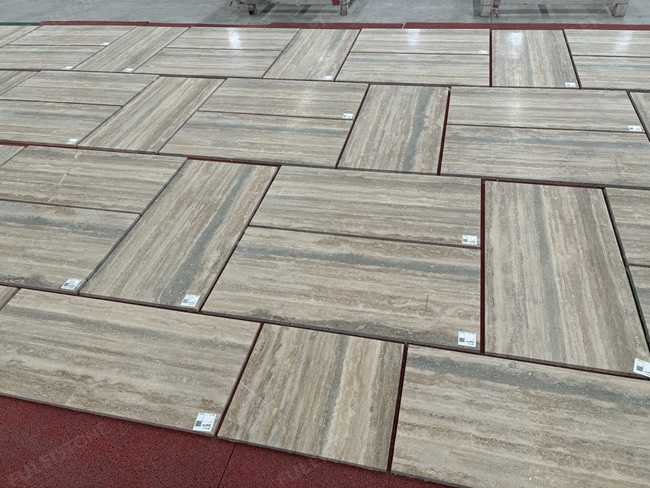
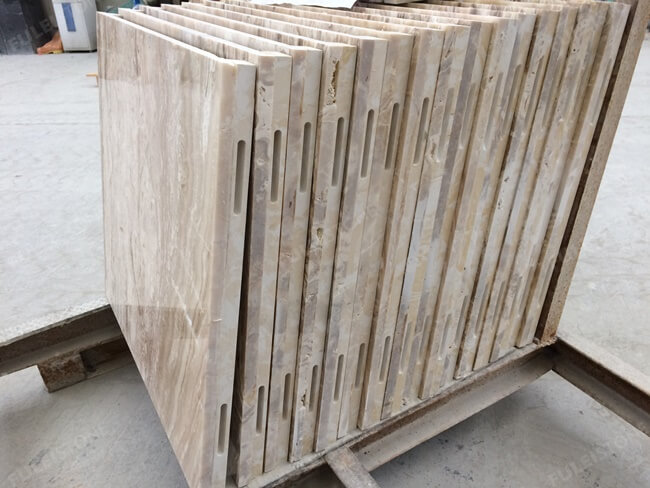
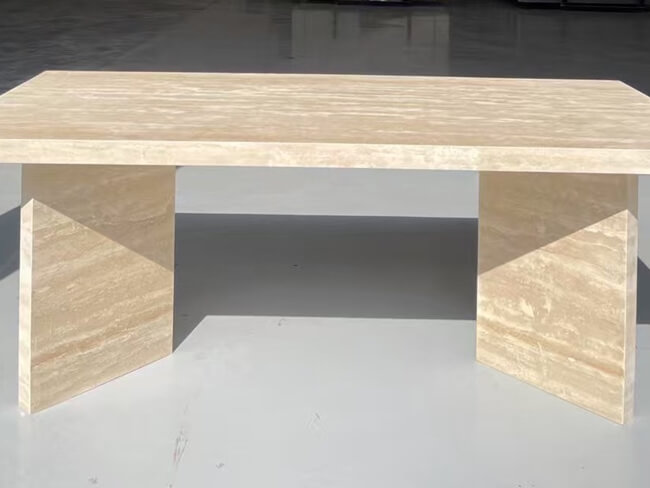
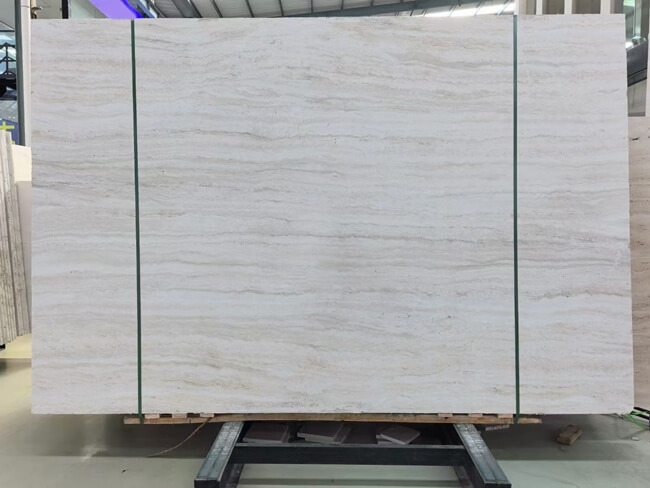
A coordinated stone project brings material selection, cutting details and finished components together. The reference examples show slab layouts, cut-to-size pieces, countertops and decorative stonework. Use them to explain the shapes, edge profiles and visual direction you would like to explore. Each requested item needs its own review of material suitability, dimensions, finish and installation requirements; a photograph alone does not confirm that every option is available for your selected stone.
Share a room schedule or drawing set with the areas, quantities and details you need. Then confirm the scope for samples, vein direction, cutting, inspection and packing before placing an order. Keep approved material references and drawings with the quotation so the finished pieces can be checked against the same requirements. Product-specific availability, technical evidence, commercial terms and delivery arrangements are confirmed separately for each enquiry.
Get Samples & Quotation

HOW WE WORK
A Clear Path from Enquiry to Delivery
From your first enquiry to arrival checks, use these ten stages to agree the details of a stone order. Images below are workflow illustrations, not factory photographs.
- 01
Share Your Brief
Identify the product, application, quantity and destination.

- 02
Review Material Options
Compare representative images and the available finish choices.

- 03
Request a Quotation
Confirm the included scope and any exclusions in writing.

- 04
Approve Samples
Review the color range, surface and visible variation.

- 05
Check Drawings
Confirm dimensions, seams, edge profiles and piece marks.

- 06
Confirm the Order
Agree specifications, responsibilities and commercial terms.

- 07
Review Fabrication
Use the approved drawings and recorded material selection.

- 08
Arrange Inspection
Check dimensions, visible finish and agreed acceptance points.

- 09
Confirm Packing
Match protected pieces and crate labels to the packing list.

- 10
Coordinate Delivery
Confirm shipping documents, unloading and arrival checks.

Get Samples & Quotation
Send your material reference, drawings, dimensions, finish, quantity and destination. These details help define the sample and quotation request.
STOOANCE product enquiries
Project details and material references are welcome.

Italian Travertine Tiles: A Practical Buyer’s Guide
Choose Italian travertine tiles with a clear framework for application, finish, and specification. Learn which supplier records to request, how to approve the actual material, and which purchasing mistakes can compromise a project.
What Are Italian Travertine Tiles?
Travertine is a natural calcium carbonate stone formed by mineral deposition, typically showing visible pores, bands, and variation in color and pattern between pieces. Its pores may be left open or filled, so buyers should review the actual material to understand the surface they will receive.
STOOANCE’s Italian Travertine Tiles listing describes beige tiles with a honed or matte finish for floors and wall cladding. It lists project customized sizes and a thickness of 18 mm. The name alone does not verify Italian origin for a specific order; request origin documentation tied to the selected batch.
Italian Travertine Tile Types and Visual Selection
Italian Travertine Tiles can show stripes, cloudlike movement, or prominent pores depending on how the stone is cut and finished. Judge these choices across adjoining tiles, not one sample.
| Choice | Visual Effect | Layout Check |
|---|---|---|
| Vein cut | Directional bands | Align or alternate deliberately |
| Cross cut | Cloudlike movement | Distribute variation |
| Filled pores | More continuous face | Check fill color |
| Unfilled pores | Visible cavities | Check pore distribution |
Vein Cut and Cross Cut
Vein cut exposes linear bands; cross cut shows a more irregular, cloudlike pattern. On large floors, mixing the two can make transitions conspicuous.
Filled and Unfilled Pores
Filled pores create a quieter surface; unfilled pores make the stone’s cavities visible. Compare actual tiles to judge how consistently either treatment appears.
Color Range and Layout Direction
Beige batches can include lighter and darker tiles. Approve batch photos or slabs, then agree on tile orientation and distribution before cutting; commercial names and small samples cannot show the full range.
Where Italian Travertine Tiles Suit a Project
Italian Travertine Tiles are listed for floors and wall cladding, with an 18 mm honed finish. The right application depends on exposure and the maintenance the owner can support.
Interior Floors
Interior floors face foot traffic, spills, and grit. Review the expected traffic, staining risk, pore filling, and cleaning routine before approving the selected batch.
Interior Wall Cladding
Wall cladding generally sees less abrasion than flooring but still needs attention near sinks and splash zones. Confirm how pores and any filled areas will be cleaned and maintained.
Higher Exposure Areas
Wet areas, exterior locations, and demanding commercial floors need project specific review of finish, slip requirements, substrate, climate, and maintenance. Travertine is acid sensitive; use appropriate cleaners and request relevant testing before specifying performance.
How to Choose a Finish
Italian Travertine Tiles are listed with a honed or matte finish. Other finishes depend on the selected batch and fabrication suitability; compare actual samples before specifying one.
| Finish | Appearance and Pores | Upkeep | Floor Use |
|---|---|---|---|
| Honed / Matte | Soft sheen; pores remain visible | Routine cleaning | Assess slip requirements |
| Polished | Gloss highlights filled pores | Etching shows readily | Check suitability |
| Brushed | Raised texture emphasizes pores | Brush recesses clean | Check suitability |
| Textured | Relief varies by treatment | Clean recesses thoroughly | Verify slip documentation |
Compare Surface Options
Finish changes how beige color, pores, and surface relief appear. The comparison below helps narrow options for walls and floors.
Plan for Cleaning
Travertine pores and textured surfaces can retain soil. Agree on filling, sealing, and cleaning methods for the selected finish and intended use.
Approve the Floor Sample
A physical finish sample should show the approved batch and pore treatment. For floors, request any slip documentation required by the project or local rules.
Dimensions, Thickness, and Drawing Requirements
This listing specifies project-customized sizes and 18 mm thickness for Italian Travertine Tiles. Confirm any other thickness or format against the selected material and fabrication drawings before ordering.
Set Out Sizes and Quantities
Dimensioned plans should show tile sizes, joint widths, pattern, orientation, and quantities by room or elevation. Mark perimeter pieces, openings, and cuts around fixtures.
An extra quantity for site cuts and breakage should reflect layout complexity and local installer advice.
Define Edges and Vein Direction
Shop drawings should identify exposed edges, edge profiles, and the direction of the travertine’s visible lines. Number pieces where the layout depends on a continuous pattern.
Approved drawings should also state the dimensional and flatness tolerances required for the project; confirm fabrication capability before production.
Coordinate the Installation
Substrate levels and the installation method affect the finished floor or wall plane. Have the local installer check buildup, transitions, and movement-joint locations against the drawings before fabrication.
Approve Italian Travertine Tiles Before Production
Approve Italian Travertine Tiles against the material intended for production, not a catalog image alone. Record each decision against the approved sample, batch, and project drawings.
Obtain a Physical Sample
STOOANCE can provide a physical sample; the buyer pays the courier charge in advance. Examine its beige tone, pores, and honed surface under the lighting planned for the project.
Review the Current Batch
Current batch photos or a remote video show the range a small sample cannot capture. Agree which color shifts, pores, fissures, and fill variations are acceptable before reserving material; availability requires confirmation.
Record the Approved Specification
The approval record should identify the actual material and chosen cut, honed finish, pore fill, and directional layout. Match that record to the drawings so production and inspection use the same reference.
How to Assess Supplier Quality Control
Supplier quality control should follow the selected batch from approval through packing. For Italian Travertine Tiles, ask how each piece is tied to the approved material and drawings.
Trace the Batch and Drawings
Batch records should identify the selected material and approved color range. Fabrication checks should compare cut pieces with signed drawings, including dimensions, thickness, edge details, and vein direction.
In-process inspection should flag fissures and any fill or resin treatment before pieces advance.
Inspect Finished Pieces
Final checks should cover dimensions, thickness, flatness, finish consistency, edges, fissures, fill, quantities, and labels. Agree on acceptance criteria before production so the inspection has a clear reference.
A dry lay helps with continuous floors or walls; numbered pieces preserve the approved sequence for local installers.
Verify Records and Documents
Before dispatch, request inspection photos or video showing representative pieces, labels, and packed crates, plus packing records tied to the piece schedule.
If project documents are required, verify each current certificate or test report against its holder, product scope, and destination requirements.
Common Italian Travertine Tile Buying Mistakes
Italian Travertine Tiles can vary between batches, and their pores and bands affect the finished layout. Set acceptance criteria before fabrication so the shipment matches the approved design.
Approve Material And Batch
Catalog images cannot establish the color range of delivered stone. Approve photos or video of the actual batch and retain a reference sample.
Mixed batches can create abrupt changes across a floor. Reserve the approved batch and agree where any necessary transitions will fall.
Specify Surface And Layout
Travertine pores may be left open or filled. State the required fill treatment and approve a finished sample before production.
Vein direction changes the appearance of adjoining tiles. Mark the intended orientation on drawings; request a dry lay for prominent areas. A honed finish alone does not establish slip suitability, so confirm project requirements and relevant test evidence.
Finalize Drawings And Future Care
Unsettled dimensions can leave cut pieces unusable. Release production only after approving the tile schedule, edges and installation drawings.
Travertine needs a suitable cleaning and maintenance plan. Agree care instructions with the local installer and reserve matching spare tiles from the approved batch before shipment.
Ordering, Packing, and International Delivery
STOOANCE starts Italian Travertine Tiles orders with an application brief and drawings. Batch approval guides fabrication, inspection, packing, and shipment.
Quote and Batch Approval
Quote requests should include dimensions, thickness, finish, quantity, destination, packing, and schedule. State whether tiles are for floors or walls.
STOOANCE checks availability and presents the actual batch for approval. Quotation and timing require order-specific confirmation.
Production and Packing
Approved drawings and batch records guide cutting, finishing, and piece numbering. STOOANCE checks dimensions, surface condition, quantities, and labels before packing.
Protective wooden crates or plywood cases are selected for the tile format and shipping route.
Delivery and Receiving
EXW, FOB, CIF, or DDP terms depend on destination and order review. Confirm the handover point and shipping documents before dispatch.
At receipt, check crate condition, labels, piece counts, and visible damage. Photograph discrepancies before installation.
Italian Travertine Tiles Pricing and Cost Drivers
18 mm honed Italian Travertine Tiles are a starting specification, not a fixed price. Ask STOOANCE to quote the approved batch and drawings, with fabrication, packing, freight, and delivery terms identified separately.
| Cost driver | What changes cost | Confirm in quote |
|---|---|---|
| Selected batch | Color range, pore structure, and usable material | Actual batch, photos, and reservation |
| Tile size and yield | Larger cuts or vein direction may increase waste | Dimensions, layout, and cutting plan |
| Finish and pore treatment | Honing, filling, and resin work vary by material | Approved finish and treatment sample |
| Fabrication and quantity | Edges, cutouts, piece counts, and order volume affect processing | Drawings, quantities, and scope |
| Packing and freight | Protection, crate type, route, and destination affect charges | Packing method and freight basis |
| Delivery term | EXW, FOB, CIF, or DDP allocate different costs | Named place and included charges |